
A pile of stone might not look exciting at first glance, but the right rock in the right place can completely change how a property functions. Whether you’re fixing drainage, building a driveway, or shaping a landscape, bulk materials save time and labor. Before scheduling rock delivery near me, it helps to understand how to plan the project so the stone works exactly the way it should.
Choose the Right Rock Size for Drainage Projects
Rock size makes a real difference in how water moves through the ground. Larger stones, such as #57 gravel, allow water to pass between gaps and prevent pooling. Smaller stones pack tighter and slow water movement, which can create unwanted runoff if used in the wrong spot. Contractors often recommend angular stone for drainage because it locks together while still leaving room for water flow. When browsing rocks for sale, ask about how each size performs in trench drains, French drains, or around foundations. The wrong size may look fine on delivery day but fail to move water where it needs to go.
Calculate How Many Tons Your Project Will Need
Ordering too little rock means scrambling for a second load. Ordering too much leaves a pile you may not use. Accurate measurement saves money and avoids frustration. Start by measuring the length and width of the area in feet. Multiply those numbers, then decide how deep the rock layer should be. Convert cubic feet into cubic yards, and from there into tons based on the material’s weight. Many suppliers who handle gravel for sale can help confirm your numbers before scheduling rock delivery.
Prepare a Clear Drop Spot for the Delivery Truck
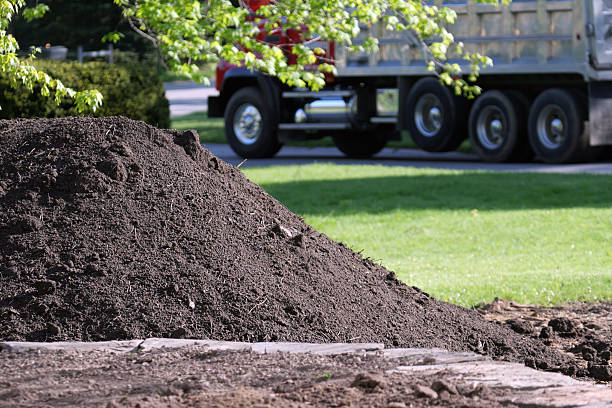
Delivery trucks need room to move and unload safely. A large dump truck cannot squeeze through tight gates or navigate steep, narrow driveways. Clear obstacles such as vehicles, low branches, or loose debris before the truck arrives. Mark the exact drop area with cones or flags. Drivers appreciate clear instructions and open space to work. If the site feels crowded, communicate with the supplier ahead of time to avoid delays on the day of rock delivery.
Compare Gravel Types for Driveways and Pathways
Not all gravel works well for driveways. Crushed stone with angular edges compacts better and resists shifting under vehicle weight. Rounded river rock may look attractive but tends to roll and spread under pressure.
For walkways, smaller stones create a smoother walking surface. When reviewing gravel for sale, consider how the material will feel underfoot and how it will hold up over time. Matching the gravel type to the purpose prevents constant maintenance.
Plan Rock Depth Before Scheduling Delivery
Depth matters as much as surface coverage. A driveway base may require four to six inches of compacted stone, while decorative ground cover might need only two inches. Shallow layers can lead to bare spots after heavy use.
Discuss the intended purpose with the supplier before placing the order. Companies that also offer dirt for sale often understand how soil type affects required depth. Planning the thickness in advance ensures the load supports the project long term.
Measure the Area to Avoid Ordering Too Little
Eyeballing the space rarely works. What looks like a small section of yard can require several tons of material once measured properly. Accurate measurement reduces surprises when the truck arrives.
Walk the site with a tape measure and write down the dimensions. If the area has curves or irregular shapes, break it into smaller rectangles and add the totals. Suppliers who advertise rocks for sale often provide calculators to double-check your estimate.
Understand Truck Access Before Placing an Order
Delivery trucks can weigh several tons even before unloading. Soft ground, narrow turns, or overhead power lines can complicate access. Evaluate the route from the street to the drop location before confirming your order.
If space feels limited, ask about alternative drop points or smaller load options. Searching for rock delivery near me might connect you with suppliers who know local neighborhoods and can recommend practical solutions.
Use Bulk Rock to Reduce Soil Erosion on Slopes
Sloped areas often struggle with erosion after heavy rain. Exposed soil washes downhill, leaving bare patches and muddy runoff. Bulk rock helps stabilize these areas by adding weight and structure.
Place larger stones at the base of slopes to slow water flow. Use medium gravel higher up to hold soil in place. Combining proper grading with rock placement reduces erosion and protects landscaping investments.
Schedule Delivery When the Ground Is Dry
Wet ground complicates delivery. Heavy trucks can leave ruts in soft soil, and damp conditions make spreading material more difficult. Dry weather provides better traction and easier cleanup.
Check the forecast before confirming your delivery date. A sunny stretch of days gives you time to spread and level the stone without fighting mud. Coordinating timing with your supplier improves the entire experience.
Bulk materials play a practical role in landscaping, drainage, and construction projects. Planning ahead ensures the right amount of rock arrives at the right time and goes exactly where it should. Reliable suppliers such as North Alabama Rock & Dirt provide dependable rock delivery and aggregate materials that help homeowners and contractors complete projects with confidence.