
Efficient manufacturing depends on accurate heat just as much as quality materials and skilled engineering. Even small temperature differences can affect product quality, production speed, and equipment life. Selecting the right heating solution helps create reliable processes while reducing downtime, wasted energy, and unnecessary maintenance across demanding industrial applications.
Where Custom Industrial Heaters Deliver the Greatest Performance Gains
Production equipment rarely operates under identical conditions. Injection molding systems, packaging machinery, sealing equipment, die casting operations, food processing lines, and laboratory instruments all generate different heating demands. Custom industrial heaters allow manufacturers to match watt density, voltage, dimensions, and mounting styles to the exact needs of each application instead of adapting equipment around a standard heater.
Specialized designs also improve overall efficiency. A heater built specifically for the equipment transfers heat more evenly, reducing temperature fluctuations that may affect finished products. Many facilities using industrial heating accessories discover that customized heating solutions improve process consistency while extending equipment reliability over long production cycles.
Why Standard Heating Solutions Sometimes Fall Short
Off-the-shelf heaters work well in many applications, but unusual operating environments often require additional engineering. Tight installation spaces, aggressive chemicals, continuous production schedules, and specialized temperature ranges may exceed the design limits of standard industrial heating products. Those conditions frequently lead manufacturers toward customized alternatives.
Production demands continue changing as equipment evolves. New machinery, upgraded automation, and redesigned tooling may require different heating capacities than previous systems. Working with an experienced industrial heating elements manufacturer helps determine whether existing heaters remain appropriate or whether custom specifications would improve performance.
What Makes a Custom Industrial Heater Different From Standard Models?
Customization extends well beyond changing physical dimensions. Engineers may modify sheath materials, internal resistance wire, lead configurations, watt density, electrical ratings, sensor locations, and mounting methods to create heaters suited for a particular operating environment. Every design decision contributes to reliable thermal performance.
Material selection plays an important role as well. High-temperature alloys, corrosion-resistant sheaths, and specialized insulation materials help heaters perform under demanding industrial conditions. Proper engineering creates solutions that fit equipment accurately while supporting dependable heat transfer throughout production.
When Should Cartridge Heaters Be Built to Exact Specifications?
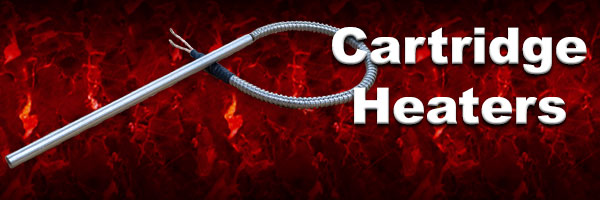
Cartridge heaters perform best when they closely match the bore they are designed to heat. Loose-fitting heaters reduce heat transfer efficiency, while incorrect watt density may shorten service life or create uneven temperatures.
Equipment operating continuously often benefits from cartridge heaters manufactured specifically for the application rather than relying on general-purpose alternatives. Precise specifications also simplify maintenance planning. Replacement heaters built to identical dimensions and electrical characteristics reduce installation time while maintaining process consistency.
Facilities operating around the clock often value that repeatability because it minimizes production interruptions.
How Process Temperature Requirements Influence Heater Design
Different manufacturing operations demand different heating characteristics. Some applications require rapid heat-up times, while others depend on gradual, stable temperatures maintained over extended production periods. Selecting the proper heater involves balancing response time, operating temperature, and energy efficiency according to the process itself.
Thermal uniformity becomes especially important during precision manufacturing. Uneven heating may create inconsistent material expansion, poor bonding, dimensional variation, or incomplete curing depending on the application. Customized heating designs help distribute temperature more evenly across the working surface.
Why Equipment Geometry Matters During Heater Selection
Machine design often determines whether a standard heater will fit properly. Curved surfaces, compact housings, deep bores, unusual mounting arrangements, and restricted installation areas frequently require heating elements built around the equipment rather than forcing equipment modifications to accommodate standard components. Mechanical compatibility also affects long-term durability. Properly fitted heaters reduce vibration, improve heat transfer, and simplify future maintenance. Custom engineering allows manufacturers to maintain equipment integrity while optimizing thermal performance throughout demanding production environments.
Can Custom Heating Improve Energy Efficiency and Equipment Life?
Efficient heat transfer reduces wasted energy because more thermal output reaches the intended process instead of surrounding equipment.
Correct watt density, proper heater placement, and optimized operating temperatures allow systems to maintain performance while consuming less energy during normal production. Lower operating stress also supports longer component life.
Heating elements designed specifically for the application generally experience fewer temperature extremes and reduced mechanical strain, helping minimize premature failures. Well-designed industrial heaters USA solutions often provide measurable operational savings through improved efficiency and longer service intervals.
Selecting the Right Manufacturing Partner for Custom Heating Solutions
Successful heater selection depends on more than purchasing a heating element with the correct voltage or dimensions. Engineering experience, application knowledge, manufacturing quality, and technical support all influence whether the finished solution performs reliably under real production conditions.
Every application deserves careful evaluation before specifications are finalized. Manufacturers comparing industrial heating products often benefit from working with an experienced industrial heating elements manufacturer capable of designing application-specific solutions instead of recommending standard components for every project.
Thermal Corporation helps customers evaluate heating requirements, develop custom industrial heaters, select dependable cartridge heaters, and choose industrial heating accessories that support reliable performance, efficient operation, and long-term production success across a wide range of Industrial Heaters USA applications.